But Solar Panels Put You Back in Control
If you’ve noticed your electricity bill creeping up lately, you are not alone. And while inflation and fuel costs get most of the headlines, there is a massive elephant in the room that is starting to weigh heavily on our national power grid, AI data centers.
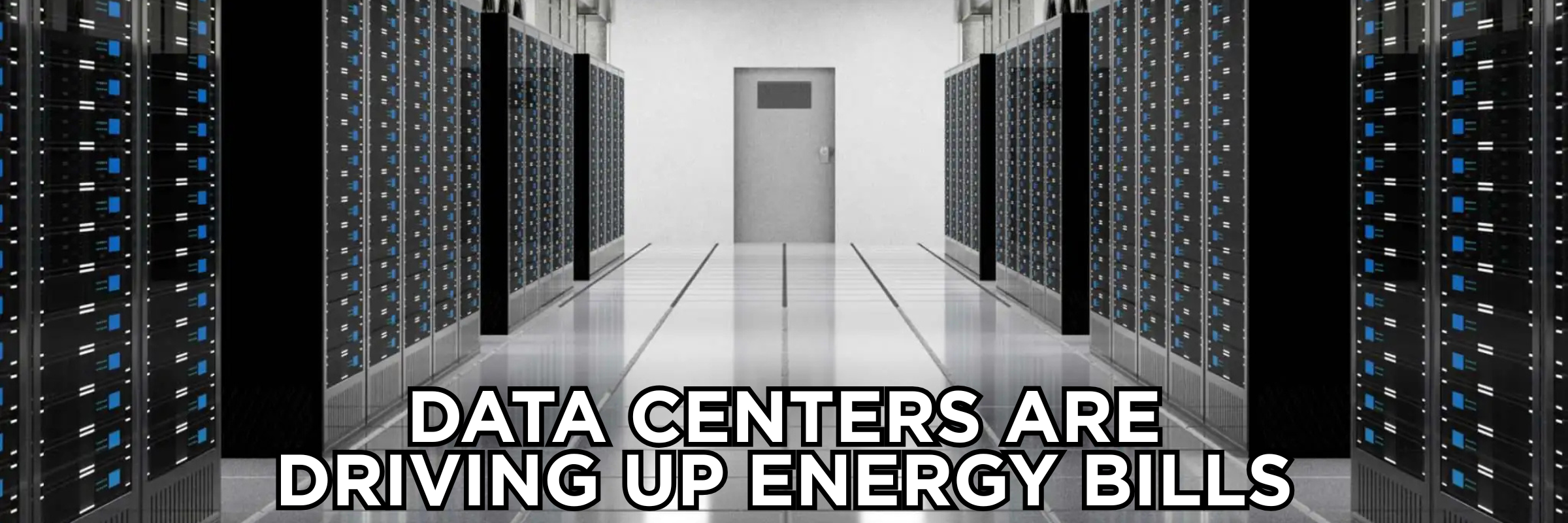
We live in an age of magic. We stream 4K video, back up our photos to the cloud, ask AI chatbots for recipes, and scroll through social media for hours. But that magic has a physical cost. Behind every TikTok video and every ChatGPT query is a warehouse sized building filled with servers generating massive amounts of heat. These data centers require constant cooling and massive amounts of electricity to operate. And right now they are being built all across the country, straining our grid and raising your monthly energy costs.
The Strain on the Grid
When a new data center, which can consume as much electricity as a small town or even a whole city, plugs into the grid, the utility must upgrade its infrastructure. They need new substations, new transformers, and more transmission lines. These are called capital investments, and utilities are guaranteed a return on them, around 10%. That return comes directly from you, the rate payer. When a utility spends billions to upgrade the grid to handle the load of a tech giant's server farm, they spread that cost across ALL ratepayers not the tech company like you would assume.
In regions with a lot of data centers, like Northern Virginia (the largest data center market in the world), residential rates are under immense pressure. Dominion Energy has cited data center growth as a primary driver for needing new power generation and grid upgrades. While the tech giants often get tax breaks to build, the local residents are left footing the bill for the infrastructure required to keep the lights on.
It creates a frustrating dynamic, we, the consumers, pay for the electricity to use the technology, we pay for the devices to access it, and then we are asked to pay again to upgrade the grid so the companies providing that service can profit.
The Solar Solution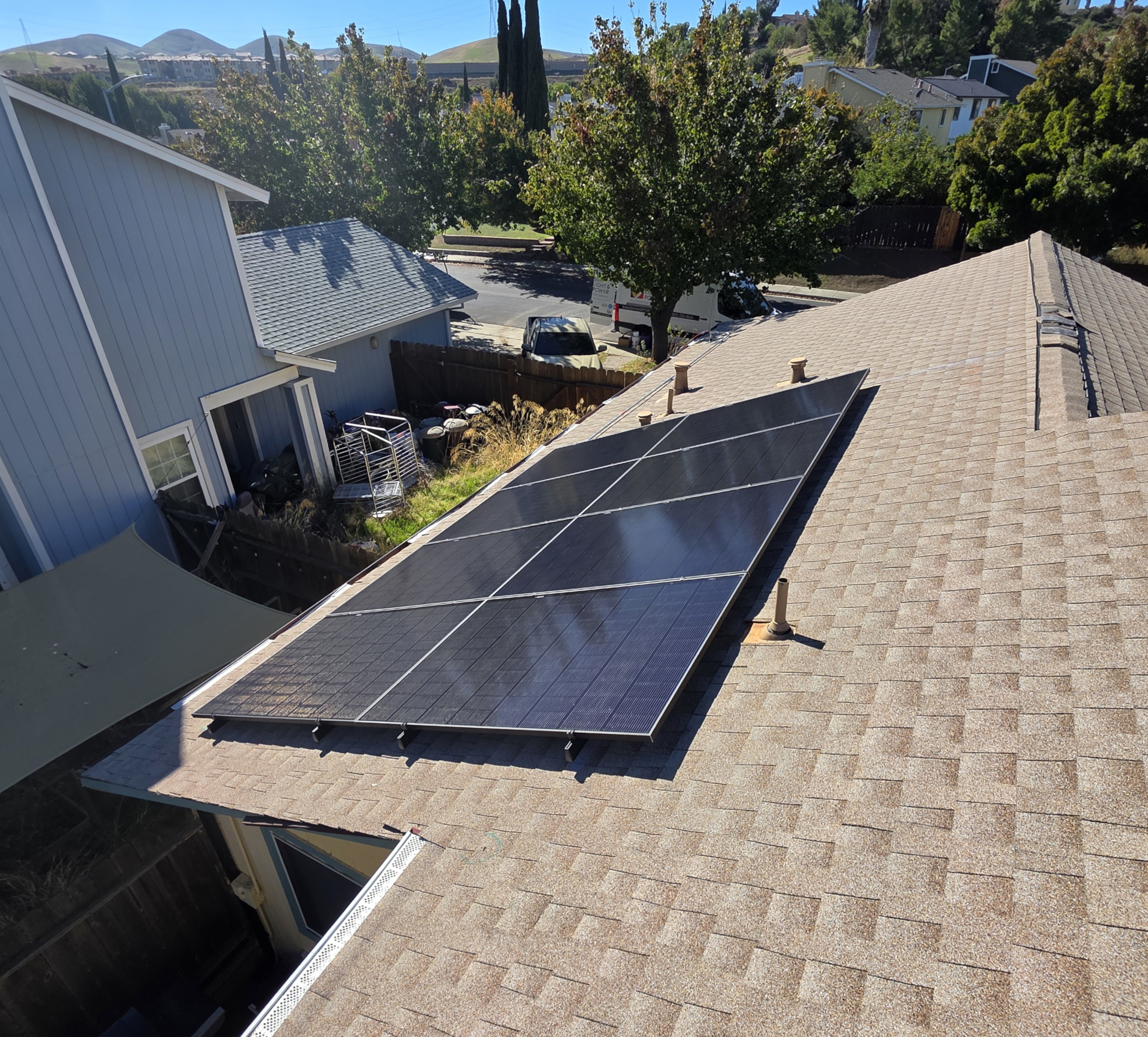
While we cannot stop the digital expansion, we can absolutely decouple ourselves from the financial consequences. The answer lies in distributed generation, right on your rooftop, with solar energy and battery storage.
Here is how solar power helps you fight back against the data center rate hikes.
Locking in Your Rate
When you install a solar panel system, you are effectively pre-purchasing 25 to 30 years of electricity at a fixed cost either with a PPA (Power Purchase Agreement) solar loan, solar lease or paying cash. While your neighbors are watching their bills climb year after year, your energy source (the sun) is free. You are insulated from the data center tax embedded in utility rates. You are generating your own power right where you use it, bypassing the need for those expensive long distance transmission lines.
Reducing Peak Demand
Data centers run 24/7, but the grid is most strained during the late afternoon, when air conditioners are blasting and people are coming home from work. Guess what happens at that time? The sun is usually still shining. Solar panels naturally produce the most energy during peak demand hours. By shaving off your own consumption from the grid during these critical times, you are not just saving money you are reducing the overall strain on the system. This lowers the need for the utility to build more infrastructure, which theoretically helps stabilize rates for everyone.
The Battery Backup Advantage
To truly take control, we need to look at pairing solar with battery storage. Data centers need power 24/7, but you don't have to buy it 24/7. With a battery system (like a Tesla Powerwall), you can store the excess energy your panels produce during the day and use it during the expensive evening hours. In some states like California, you can even discharge your battery back to the grid during peak times earning peak credits.
Commercial Rate Payers Can Benefit Too
For business owners, the impact of data center growth is even more acute. Commercial rate structures often include demand charges, fees based on the highest rate of power usage during a month. As the grid becomes more volatile, these demand charges spike.
Commercial solar installations can be sized to offset a massive portion of a business's load. For companies with large rooftops or parking lots (solar canopies), this is a chance to hedge against the volatility of the grid and avoid being held hostage by the infrastructure demands of the tech sector.
The Bottom line
Data centers are not going away. Our reliance on digital storage and AI will only deepen, and the strain on our grid will intensify. We can sit back and watch our bills climb to pay for this new infrastructure, or we can take a stand on our own rooftops.
Solar power is more than an environmental statement, it is a smart financial choice. It is a way for concerned citizens to control their own energy needs. By generating our own power, we protect our household budgets from the rising tide of utility infrastructure costs driven by data center expansion.
