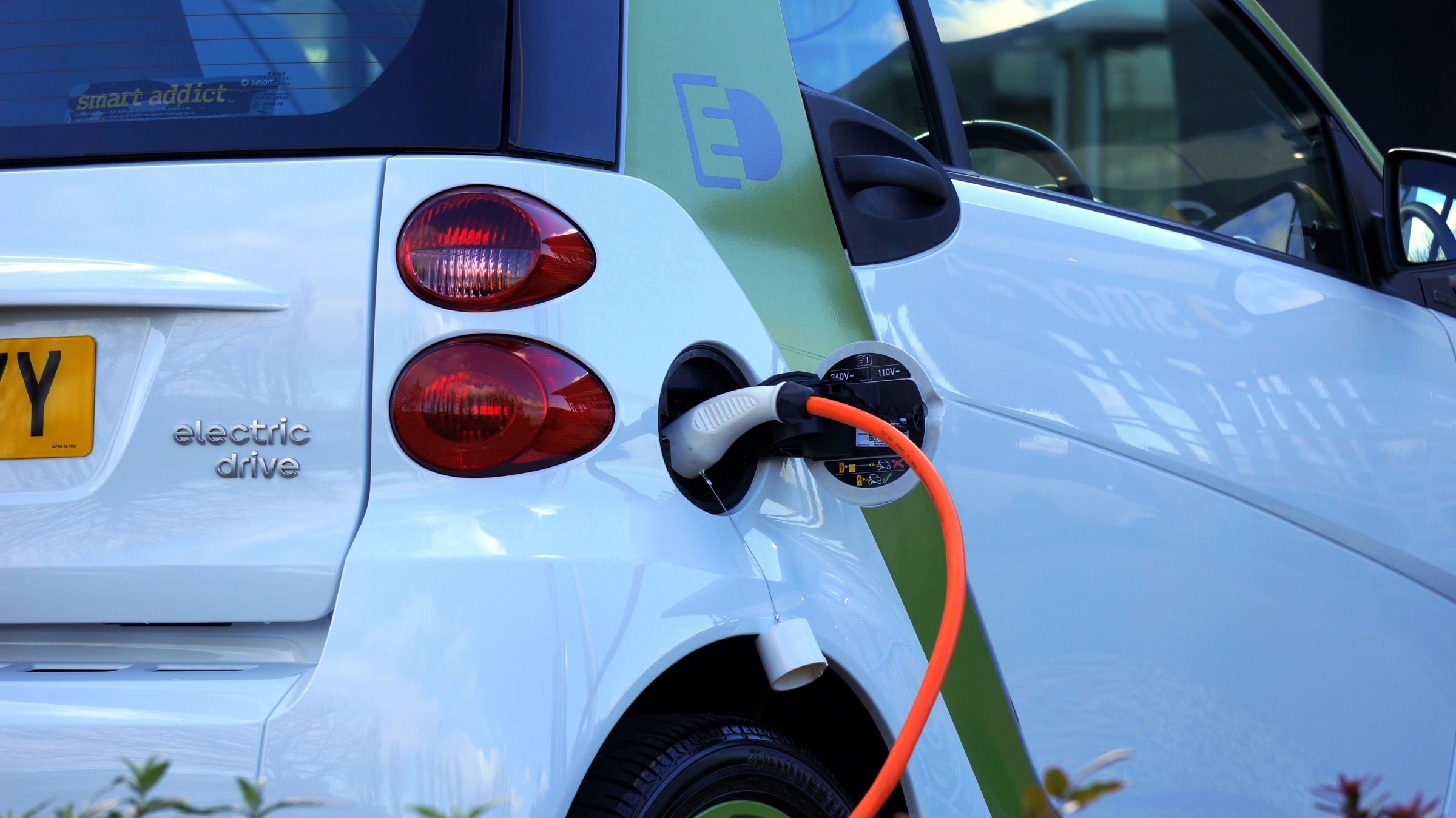
EV Charging in the Bay Area
Electric vehicles are everywhere in the Bay Area now, and that means charging has to actually work at home, at the office, and everywhere in between. Sun Light & Power designs and installs EV charging systems for homes, workplaces, multifamily buildings, and fleets across the Bay Area, from Berkeley and Oakland down through the Peninsula and South Bay.
We've been installing electrical and renewable energy systems in the San Francisco Bay Area for over 50 years, so we've seen just about every situation. Before we recommend anything, we look at your electrical panel, your service capacity, and your utility rates. And if solar or battery storage makes sense for you, we'll factor that in too, so your setup works today and has room to grow later.
Home EV Charging
Most homeowners charge overnight with a Level 2 charger, which can add about 20 to 40 miles of range per hour and fully recharge a typical EV by morning. We handle the entire installation, including the 240-volt circuit, panel work, permitting, and the charger itself.
For homeowners, we:
- Evaluate your electrical panel and service capacity to determine whether a panel upgrade is needed or if a load-management device can avoid one
- Install hardwired or plug-in Level 2 chargers sized for your vehicle and driving habits
- Integrate charging with solar and battery storage so you can use your own power and keep charging during outages
- Pull permits and manage inspections to ensure the work is safe and code-compliant
If you’re building or remodeling a home, California’s 2025 building code now requires new homes to be EV-ready, with a dedicated circuit and receptacle at the parking space. We can make sure your project meets that requirement and is ready for the charger you actually plan to use.
Commercial EV Charging
For businesses and property owners, EV charging is both a valuable amenity and an increasingly common code requirement. The right system helps attract and retain tenants, employees, and customers while supporting sustainability goals and preparing your property for the future.
We design and install charging for:
- Workplaces and offices
- Multifamily and apartment communities
- Retail, hospitality, and healthcare
- Fleets and parking operators
- Schools, agencies, and new construction
As an authorized ChargePoint dealer, we install networked Level 2 and DC fast charging systems with access control, billing, and usage reporting for commercial sites. Our engineering-first approach includes load calculations, electrical service evaluation, and automatic load management when it can reduce the need for costly utility upgrades. When it makes sense, we also integrate solar and battery storage to help reduce demand charges and keep stations operating during outages.
We also help you evaluate your project against current building code requirements and available incentive programs so you can build what you need and leave room to expand.
What California Code Requires for Commercial Parking
As of January 1, 2026, California’s 2025 CALGreen code (Title 24, Part 11, Section 5.106.5) sets mandatory EV charging requirements for commercial parking. These rules apply to new construction and to alterations that add or modify parking under a building permit. Existing lots that are left untouched are not required to retrofit, but once parking is built or significantly changed, the code applies.
The code uses three categories:
- EV Capable: panel capacity and conduit in place for a future charger, with no wiring installed
- EV Ready: a complete circuit and receptacle, ready for a charger
- EVCS: a space with an actual charging station installed
Requirements begin at 10 or more parking spaces and increase based on the size and use of the property. For lots with 201 or more spaces, 20% must be EV Capable, and chargers must be installed at 50% of those EV Capable spaces. Office and retail properties have a higher requirement: 75% of EV Capable spaces must have chargers installed. The 2025 code places more emphasis on installed chargers than the 2022 code, so new projects now include more working stations. Where EVCS are required, at least one must be a standard Level 2 charger.
Local Bay Area jurisdictions may also have reach codes that exceed the state minimum, and large warehouses with loading docks must now reserve capacity for future medium- and heavy-duty truck charging. The exact requirements depend on your parking count, occupancy type, and city. We can calculate the required EV Capable, EV Ready, and EVCS counts for your site and design a system that meets code without overbuilding or falling short.
Incentives and Financial Assistance
EV charging projects in the Bay Area may qualify for utility and state incentives that can significantly reduce costs, especially for multifamily, workplace, and fleet projects. Because programs change often, we focus on what is currently available and help guide you through the application process.
Depending on your location and project type, opportunities may include PG&E charging infrastructure programs, local utility rebates, and California Public Utilities Commission or state-level incentives. Many programs are first-come, first-served and tied to make-ready electrical work, so it helps to check eligibility early in the planning process. Share your site details, and we can help identify what’s available now.
Why Go Solar?
When it comes to combining solar energy with your business operation, think of solar as an investment that actually provides a return. A custom designed solar PV system or solar thermal hot water heating system will reduce your operating expenses, protect you from volatile utility costs, show your commitment to the environment and the green business movement, and can even increase the reliability of your electrical system.