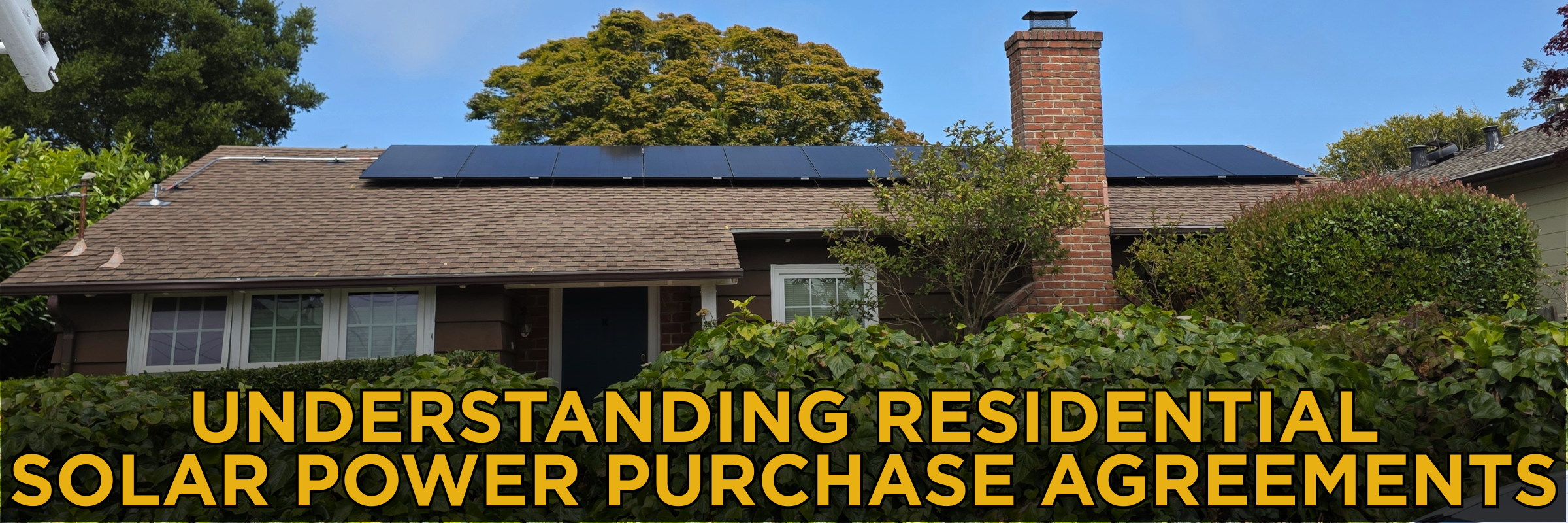
Dreaming of a sunny, clean energy future but hesitating because of the high upfront cost of solar panels? You're not alone! For many homeowners, the initial investment for a solar system, often tens of thousands of dollars, is the biggest barrier.
Fortunately, there’s an alternative financing model that makes going solar easier on your wallet: the Power Purchase Agreement (PPA).
What is a Solar PPA?
Think of a Solar PPA as a contract to purchase the electricity your rooftop solar system generates, rather than buying the entire system itself.
Here’s how it typically works:
- Zero Upfront Cost: A solar provider (the third-party owner) pays for and installs the solar panels on your home at little to no cost to you.
- The Provider Owns and Maintains: The provider retains ownership of the system, meaning they are responsible for all maintenance, repairs, and performance issues for the life of the agreement, typically 15 to 25 years.
- You Buy the Power: You agree to purchase the electricity produced by the panels at a fixed rate per kilowatt-hour (kWh), which is generally lower than your local utility rate. This is where your savings come from!
You essentially get to host a power plant on your roof and buy the cheaper, cleaner energy it produces.
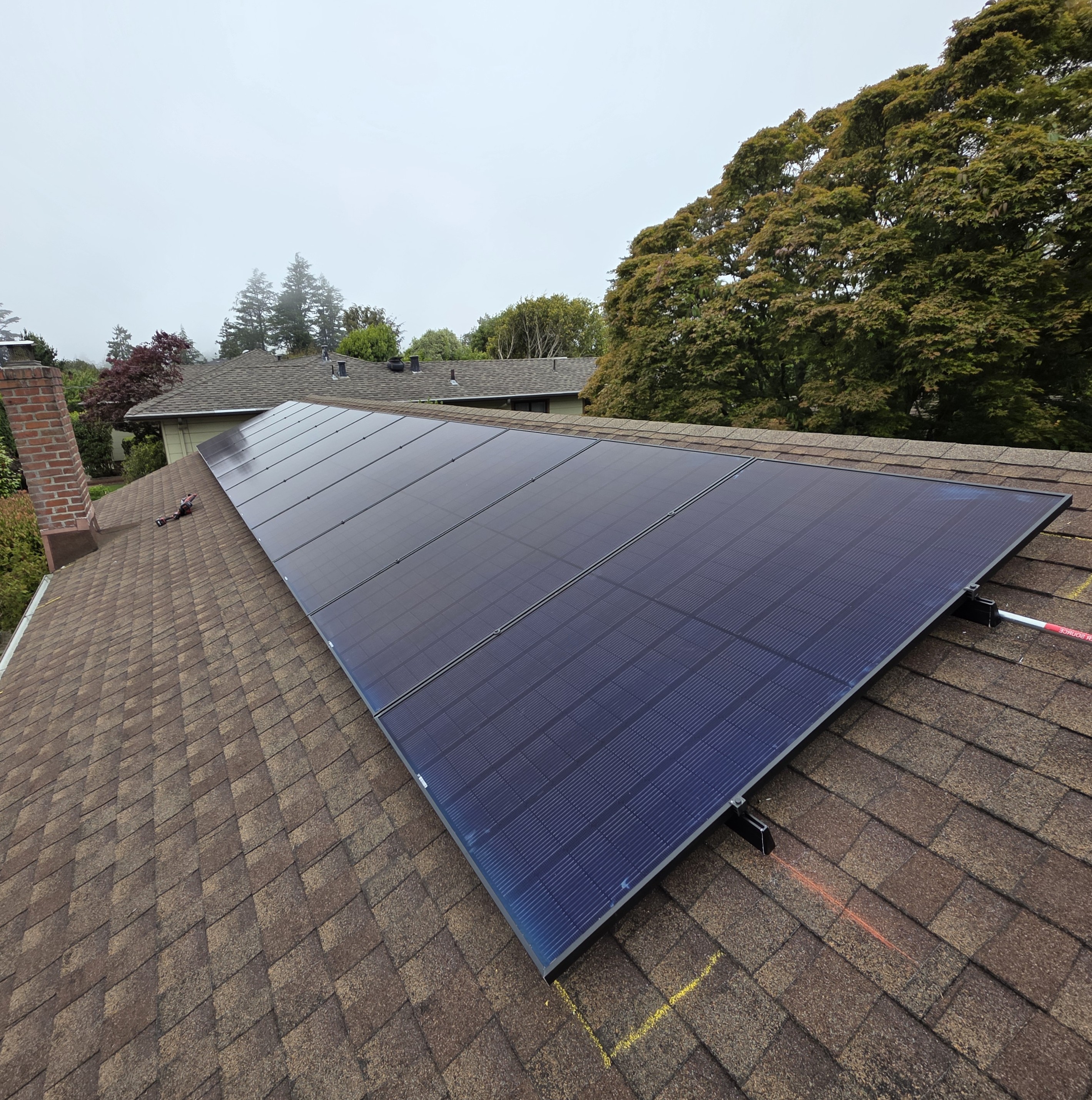
The Pros: Why a PPA Might Be Right for You
A PPA offers a compelling pathway to solar for many homeowners:
- $0 Down Payment: The single biggest advantage is that you get to enjoy solar energy without the massive upfront capital investment.
- Immediate Energy Bill Savings: Because the PPA rate per kWh is usually lower than your utility's rate, you start saving money on your electricity bill right away.
- Zero Maintenance Headaches: The solar provider is responsible for all upkeep, monitoring, and repairs. If a panel breaks or stops producing, it's their problem, not yours.
- Predictable Energy Costs: Many PPAs include a fixed rate or a predictable, small annual rate escalator. This offers a hedge against the potentially volatile increases in your traditional utility's rates.
- Embrace Clean Energy Easily: It's a hassle-free way to reduce your carbon footprint and use renewable energy.
The Cons: What to Consider Before Signing
While attractive, PPAs aren't the best fit for everyone. It's crucial to understand the trade-offs:
- You Don't Own the System: Since the third-party provider owns the panels, you are not eligible for state incentives/rebates that are tied to system ownership. The provider claims these benefits.
- Lower Long-Term Savings: Over the system's lifespan, you will likely save less money compared to buying the system outright (cash or loan) because you are essentially splitting the financial benefits with the provider.
- Potential for Home Sale Complications: Selling a home with a PPA can sometimes be challenging. The new buyer must either agree to assume the contract, subject to credit approval, or you may have to buy out the remainder of the agreement, which can be a significant cost.
- Annual Price Escalator: If the annual rate increase in your contract is too high, your PPA payments could eventually catch up to, or even surpass, your local utility's rate increases, thus reducing your long-term savings.
- Availability: PPAs are not permitted in all states and utility territories, so your financing options may depend on your location.
PPA vs. Owning Your Solar
Choosing between a PPA and ownership is the most common question for homeowners today. Here is how they stack up:
Feature |
Solar PPA |
Owning (Cash or Loan) |
|
Upfront Cost |
$0 Down |
High ($20k - $30k+) or Loan |
|
Maintenance |
Included (Provider's Responsibility) |
Homeowner's Responsibility |
|
Tax Incentives |
Indirect (Lower rates via Sec. 48E) |
None in 2026 (Sec. 25D expired) |
|
Long-term ROI |
Moderate Savings from Day 1 |
Highest Lifetime Savings |
|
Home Value |
Transferable Agreement |
Increases Property Value (~4%) |
Deciding between a PPA and ownership often comes down to your financial goals and how you want to handle the new tax realities of 2026. A major shift occurred at the start of this year: the traditional 30% federal tax credit for homeowners who purchase their systems (Section 25D) has expired. However, solar PPAs remain highly incentivized.
Under Section 48E, third-party providers can still claim federal tax credits. Competitive providers "pass through" this value to you by lowering your monthly PPA rate. For many homeowners, a PPA is now the most effective way to benefit from federal incentives that are no longer available to individual purchasers.
A PPA is the best path if:
- You want to capture tax value indirectly: Since you can no longer claim the residential credit yourself, you can benefit from the provider's Section 48E credits via a lower monthly payment.
- You want immediate savings: You prefer to avoid spending thousands of dollars upfront and want a lower, predictable power bill from day one.
- You prefer a "hands-off" experience: You want the peace of mind that comes with the provider handling all repairs, monitoring, and maintenance.
- Tax liability isn't a factor: If you don't have a large enough federal tax bill to offset a credit, the "pass-through" savings of a PPA are much more efficient.
Buying or Financing is the better path if:
- You want to maximize ROI: You are focused on the highest possible long-term return on investment over the 25-year life of the system.
- You want to build home equity: You want to increase your property value immediately by owning the asset outright.
- You want "free" energy: You have the capital or a solar loan and want to reach the point where you own the system 100% and pay nothing for the power it generates.
The Bottom Line
A residential Power Purchase Agreement is an excellent option for homeowners who want to enjoy the financial and environmental benefits of solar without any upfront costs or the responsibility of ownership and maintenance.
However, if maximizing your long-term return on investment, claiming all available benefits, and increasing your home's property value are your top priorities, purchasing or financing the system yourself may be the better path.
Your Questions, Answered Honestly.
Thinking about going solar with a monthly Power Purchase Agreement but have some questions? You are not alone. We answer some of the most common questions that smart homeowners ask. Below are the straight answers to those questions so you can better make an informed decision for you and your family.
Q: We might move in 5 or 10 years. Does this tie us down and scare off buyers?
This is the #1 question, and it's a good one to be asking as most homeowners move in 7 years. The good news, a PPA doesn't tie you down; it's attached to the house and the solar system, not to you personally. Think of it like a more beneficial utility contract. When you sell, the agreement transfers to the new homeowner during the closing process, just like your current electric service would. Because they'll immediately benefit from lower, predictable power costs without any upfront investment, it's often seen as a home feature, not a hassle. The PPA Provider will provide clear steps and documents to make the transfer smooth for you, your realtor, and the buyer.
Q: A 20-year contract sounds like a lifetime. What if things change?
It sounds long because it is, and that’s by design. The length is what locks in your rate and protects you from rising electricity costs for two decades. But life happens. Contracts are built with offramps. If you move, it transfers as we mentioned. In rare cases where a transfer isn't possible, there are often pre-defined buyout options. As mentioned previously, the solar PPA is part of the home, so buying out the PPA is a rare occurrence and usually driven by personal choice rather than necessity.
Q: I don't want to be a landlord for rooftop equipment. Who fixes it if a panel breaks or the roof leaks?
You're not the landlord, the PPA provider is, and that’s a great thing. The PPA company insures, monitors, and maintains the system. If a panel has an issue, our service team handles it, at no cost to you. Your only responsibility is to enjoy the lower cost of electricity a PPA provides.
Q: What's the actual catch? The "no upfront cost" makes me skeptical.
That's healthy skepticism. The "catch" is that you're agreeing to purchase the power the system produces at a lower rate instead of buying the system itself. You're trading the upside of 100% ownership for the security of zero upfront cost and zero maintenance risk. The key is that your rate is lower than the local utility's current rate. If the numbers don't clearly show you saving from year one for solar only, it's not a good deal. You may add a battery and still pay less than the utility plus have the added security of back-up when the power goes out.
Q: What happens if the system doesn't produce enough power on a cloudy month?
The system is connected to the grid. When it produces more than you need, you often get some credit. When you need more than it produces (like at night or during a stormy week), you simply draw from the grid as usual. Your bill will be a combination of your low, fixed PPA rate for the solar power you used, plus any additional power from the utility at their standard rate. The goal is to cover a large chunk of your usage with solar, drastically reducing your reliance on the grid.
Q: Does this actually help the environment, or is it just a financial thing?
It does both, and that's the beauty of it. Every kilowatt hour generated on your roof is one less that needs to come from fossil fuels. Over 20 years, that adds up to a massive, tangible reduction in your home's carbon footprint. You're not just buying clean energy produced on your roof, you're directly funding clean energy production for your home and your community. The added benefit is you get to save money while helping the environment, I call it good Karma.
Q: My neighbor just bought their system outright. Why wouldn't I just do that?
Buying is a fantastic option if you have the capital and want to maximize long term returns. A PPA is a different path to a similar goal for cleaner, cheaper power. It's for homeowners who prefer to avoid a large upfront investment, who don't want the responsibility of maintenance, and who want guaranteed savings from day one. It's not "better" or "worse", it's about what fits your priorities and your financial goals.With a PPA you aren't waiting to make back your money on the investment, you start saving on day one.
