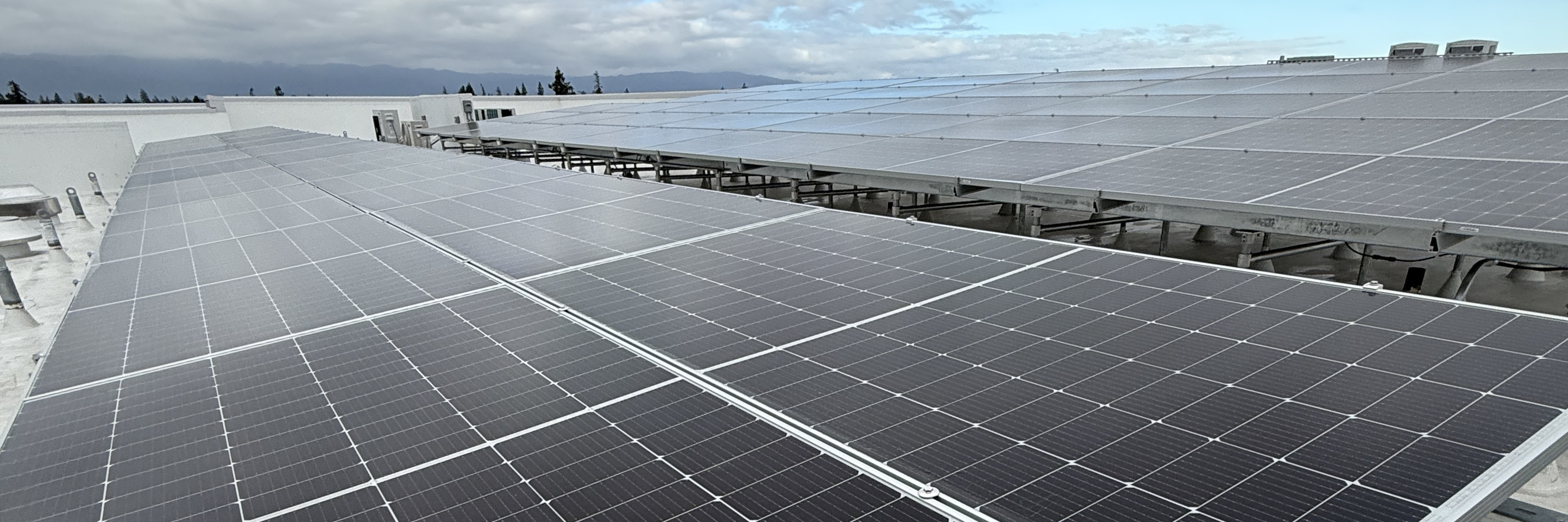
When people think about commercial solar it is usually about big warehouses or sprawling industrial rooftops. But the most common candidate for commercial solar here looks a lot more modest: a small office building, a retail space, a light manufacturing facility, a professional services company. Buildings with 5,000 to 10,000 square feet of roof space. Businesses spending $8,000 to $20,000 a month on electricity.
That's the sweet spot and it's also where the economics of solar are genuinely exceptional right now. Here are the real numbers for a typical deal.
Analysis
For this analysis, we're modeling a representative Bay Area commercial property: a 7,500 square foot flat or low-slope roof, think a dental office, an auto service center, a small distribution hub, or a two-story office building. These types of businesses typically install around a 75 KW solar array.
At Bay Area solar production rates of 1,500 kWh per kWp annually, a reliable figure for most PG&E customers, this system generates 112,500 kWh per year.
What That's Worth?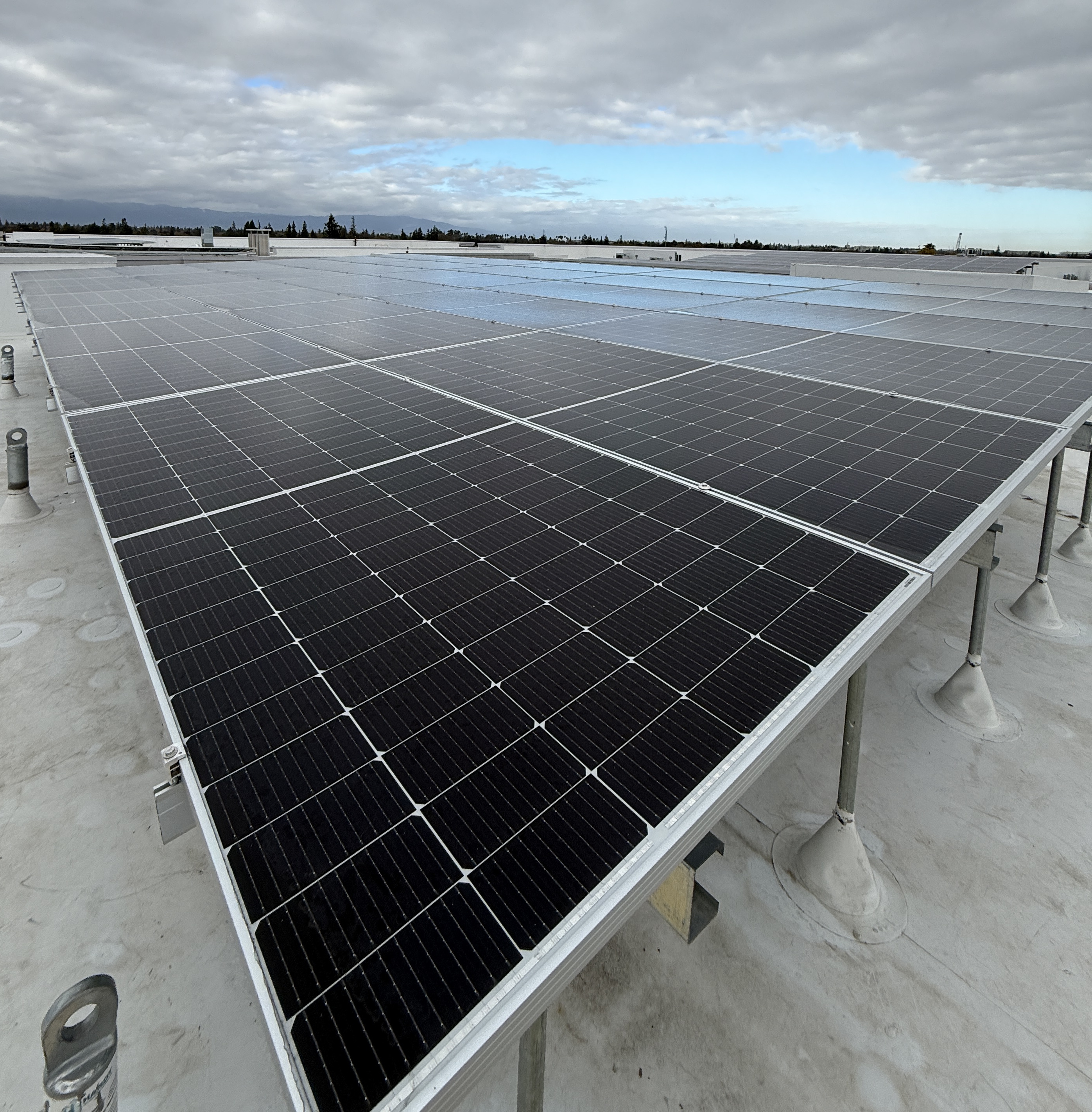
Bay Area commercial electricity is expensive. PG&E commercial customers are currently paying a blended rate of $0.28-$0.38/kWh once you factor in energy charges, demand charges, and time-of-use pricing. The statewide commercial average sits around $0.29/kWh, but in PG&E territory, effective all-in rates typically run higher.
|
Blended Rate |
Annual kWh Offset |
Annual Savings |
|---|---|---|
|
$0.28 / kWh |
112,500 |
$31,500 |
|
$0.32 / kWh |
112,500 |
$36,000 |
|
$0.35 / kWh |
112,500 |
$39,375 |
|
$0.38 / kWh |
112,500 |
$42,750 |
At a mid-range blended rate of $0.32/kWh, this 75 kW system saves $36,000 per year, every year, for 25+ years. Add demand charge reduction for the right commercial load profile, and actual savings can reach $40,000-$50,000 annually.
The Solar Tax Credit Deadline
Under current federal legislation, commercial solar projects must begin construction or Safe Harbor before July 4, 2026 to lock in ITC eligibility under existing rules. Projects that miss this window face tighter qualification rules and meaningfully higher execution risk. With permitting, structural assessment, and interconnection timelines factored in, that window is measured in weeks, not months, for projects starting today.
 The Big Picture
Solar panels carry 25+ year performance warranties. Assuming a conservative 3% annual electricity rate escalation, well below PG&E's historical average, the lifetime value of avoided electricity costs on a 75 kW Bay Area system exceeds $600,000. That's a four-to-one or better return on gross investment over system life.
The asset also transfers with the property, increases building value, and reduces operating cost exposure to future utility rate volatility.
One Important Note on NEM 3.0
Under NEM 3.0, excess solar exported to the grid earns only $0.05-$0.08/kWh in credits, a fraction of retail rates. The optimal strategy is designing for maximum self-consumption matching the array's output to the building's actual daytime load. For most Bay Area businesses with standard operating hours, this is natural.
If you own or operate a commercial building in the Bay Area with serviceable roof space, the 2026 incentive environment is the strongest it has ever been. The rates are high. The federal benefits will likely never get better. And the deadline to act for maximum advantage is now.
